 A test pressing of Second Run’s Szindbád arrived in the post, allowing me to confirm a few things about the final release (currently scheduled for 11 July – Amazon/MovieMail/Play).
1. It’s definitely a fresh anamorphic transfer, not an upscale of the old letterboxed Mokép DVD. A side-by-side comparison reveals noticeably more detail on the Second Run version.
2. Even though I can’t judge the accuracy of the translation, I can confirm that the subtitles are a clear improvement on Mokép’s, both in terms of filling in previously untranslated gaps in the dialogue, and in subtitling onscreen text (which the Mokép disc didn’t do).
3. Although there were rumours that Zoltán Huszárik’s breakthrough short Elégia would be included on Second Run’s disc (as it is on the Mokép one), it seems that a last-minute and wholly unexpected rights complication meant that it had to be dropped.
4. So the only video extra is one of Second Run’s “personal appreciations”, this time by Peter Strickland, the director of Katalin Varga. To my surprise, he opens by crediting me with his discovery of the film in the first place (it was my contribution to Sight & Sound‘s “75 hidden gems” feature of summer 2007), so I should probably acknowledge that Stefan Kuhn was the man responsible for drawing my attention to it a few months earlier when he sent me the Mokép DVD. It was fascinating seeing Peter visibly wrestling with the same issues that I had with the booklet (see below) – namely, how do you put into words what you feel about such a supremely visual and aural experience?
5. The other extra is a 20-page booklet, which I haven’t seen yet, but I suspect it’s mostly devoted to the 6,000 word essay I wrote about the film, its literary origins and its director. To put it mildly, this was one of my more challenging recent commissions – I agreed to do it without hesitation because I loved the film, but even aside from the difficulty of conveying its pleasures in verbal form, background research was stymied by the lack of much of any substance available in English, or indeed any other language besides Hungarian. Thankfully, Google Translate was my friend (though I was very careful indeed to source factual claims from more than one document), and various back issues of the Hungarofilm Bulletin (produced by the Hungarian Communist authorities five times yearly to promote their national cinema to English speakers) supplied interviews and other useful background. I also drew on George Szirtes’ translation of some of the original Gyula Krúdy short stories (published as The Adventures of Sindbad), and a New Yorker piece on Krúdy by the Hungarian critic John Lukacs).
Oh, and here’s an enlargement of the cover:
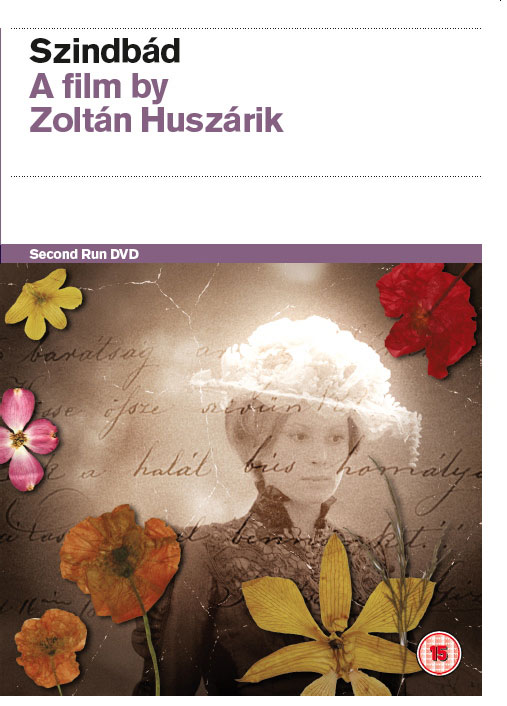
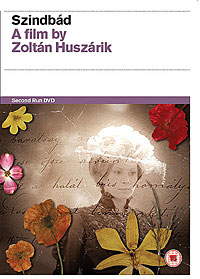
I’ve been a fan of Second Run’s artwork more or less since the label was launched (you can see the lot here, and I singled out personal favourites in this Kinoblog post), but I really think they’ve excelled themselves with this. It was no small challenge summing up this gorgeously-shot but deliberately slippery and elusive film in a single image (the Hungarian DVD opted for the film’s original poster), but they’ve done a blinding job here, conveying the sense of fading memories, the way they’re triggered by Proustian associations with objects, the film’s literary source and Szindbád’s obsession with the opposite sex.
 The latest Sight & Sound is out, complete with the following pieces by me:
 Screenonline has just updated its homepage, the highlight being last year’s discovery of seventy previously missing BBC programmes at the Library of Congress (the picture is of Sean Connery and Dorothy Tutin in a 1960 production of Jean Anouilh’s Colombe). I contributed a piece about